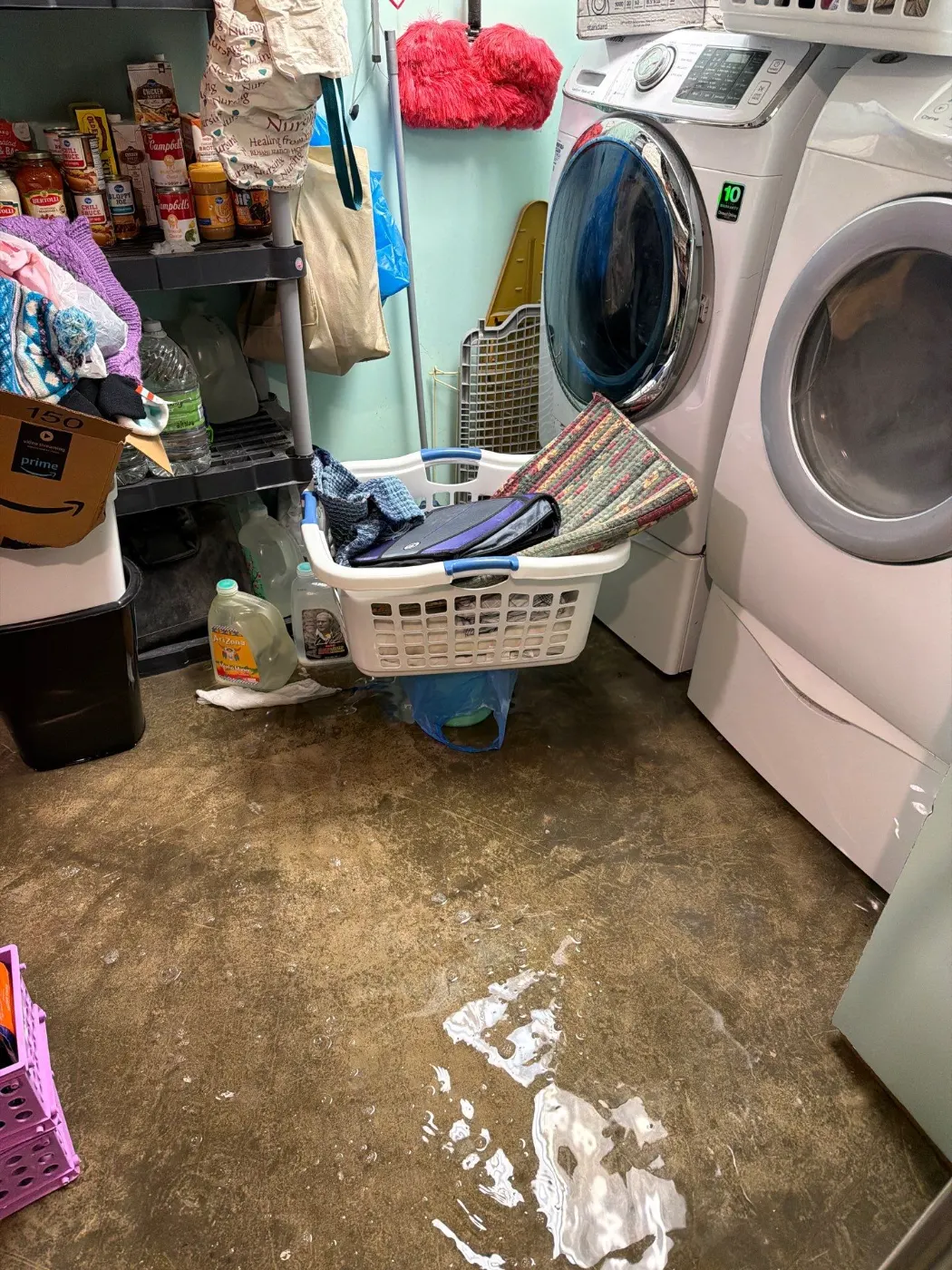
Storm Damage in Carthage, IN
Storm damage water restoration in Carthage, IN, with moisture mapping and a photo report you keep.
Carthage Water Restoration delivers Storm Damage across Carthage and surrounding areas with certified crews available 24/7 and every step documented for insurance. Call (765) 508-0821.
- Service: Storm Damage for Carthage homeowners
- Service area: Carthage, IN and surrounding areas
- Response time: Around the clock dispatch; Carthage emergencies move to the front of the line
- Licensed and insured (License #RC21100059)
- Serving Carthage, IN since 2018
Storm Damage Cleanup in Carthage
After a storm in Carthage, we'll cover the opening first and then dry out what got wet.
Where Storm Water Ends Up
Homes near the Big Blue River can see rising water after heavy rain. With full basements common here, a big storm can bring water in from below as well as through the roof. That makes it a basement flooding job too.
After a storm we can be anywhere in Carthage, including the roads around Carthage Elementary School and the Main Street corridor. Nearby, we also dry out storm damage in Rushville, Manilla, Glenwood and Milroy.
Expert Storm Damage for Carthage Homeowners
Ice built up along the eave backs water under the shingles and pushes it into the roof deck, and you usually find out when a stain appears where an upstairs wall meets the ceiling during a thaw. Freeze and thaw intrusion wets insulation and framing you can't reach from a ladder or see from the floor. Carthage Water Restoration crews work storm water losses in Carthage, IN and dispatch within 2 hours to open the assembly where the meters say the water went.
Wet insulation decides a lot on a storm job. Soaked fiberglass holds water against the ceiling board, and blown in cellulose mats down and stays flat. Carthage Water Restoration removes it when the readings call for it, records the type, depth and square footage, and puts back insulation that matches what your Carthage home had before the storm.
Each floor type dries on its own schedule: hardwood gets drying mats or panels that pull moisture up through the boards, and carpet is either lifted and dried or removed with its pad, depending on how clean the water was. Carthage Water Restoration reads the subfloor under all of it before the floor is called dry in your Carthage home.
Hidden damage behind a wall often shows up only after it's opened. When that happens, the crew photographs the cavity and takes readings, and you get the new scope in writing before the work changes. Many insurance companies review added damage as a supplement to the original claim, so the photos from your Carthage home matter.
You don't have to guess how far the water went. Carthage Water Restoration will map it with thermal imaging and moisture meters, show you the readings, and walk you through what they show. Crews dispatch to Carthage, IN at any hour, and you keep the written readings.
Signs You Need Storm Damage Restoration
If you notice any of these in your Carthage home, schedule a free inspection before the issue worsens.
Paint or texture blistering along the top of an exterior wall after a windy storm
A pin moisture meter reading far above the same wall in a dry room
White chalky residue on a basement foundation wall where water has been moving through it
Baseboard swollen at the bottom edge or pulling away from the wall it was nailed to
Window or door trim swollen and sticking that opened and closed fine last week
Damp, earthy air when you open the attic hatch or pull the attic ladder down
Water dripping from a ceiling light fixture or running down the canopy of a ceiling fan
Moisture beading on outlet covers or switch plates along a wall that water ran down
Water on the basement floor after the power failed and the sump pump stopped
Recessed ceiling lights with water droplets around the trim after heavy rain
How Carthage Water Restoration Handles Storm Damage
We follow these steps in order on every Carthage job.
Storm Call Intake
The first call covers where you see water, whether the power is on, how long it's been coming in and what's already been moved. Those answers decide what gear goes out and what to do before the crew gets there.
Moisture Mapping
Thermal imaging and penetrating meters cover every room under and beside the intrusion, plus baseline readings in unaffected areas of the same house. The map shows how far water tracked through framing and insulation, and it's what decides which surfaces get opened.
Wall Cavity Inspection
Baseboards and window trim come off where readings run high, and small inspection holes show whether the cavity behind them holds water. Windows and doors that took wind driven rain usually leave the wall base wet first.
Contaminated Material Removal
Porous materials soaked by floodwater, such as carpet and the lower drywall, get cut out and bagged for disposal. Cut heights are photographed and recorded, so the scope and your file show what came out and why.
Daily Monitoring
A technician returns every 24 hours while equipment runs, logs moisture content at the same marked locations, and repositions equipment wherever a zone's lagging. Rain during the drying phase triggers a recheck of the stabilized opening and of the materials sitting under it.
Storm Damage in Carthage
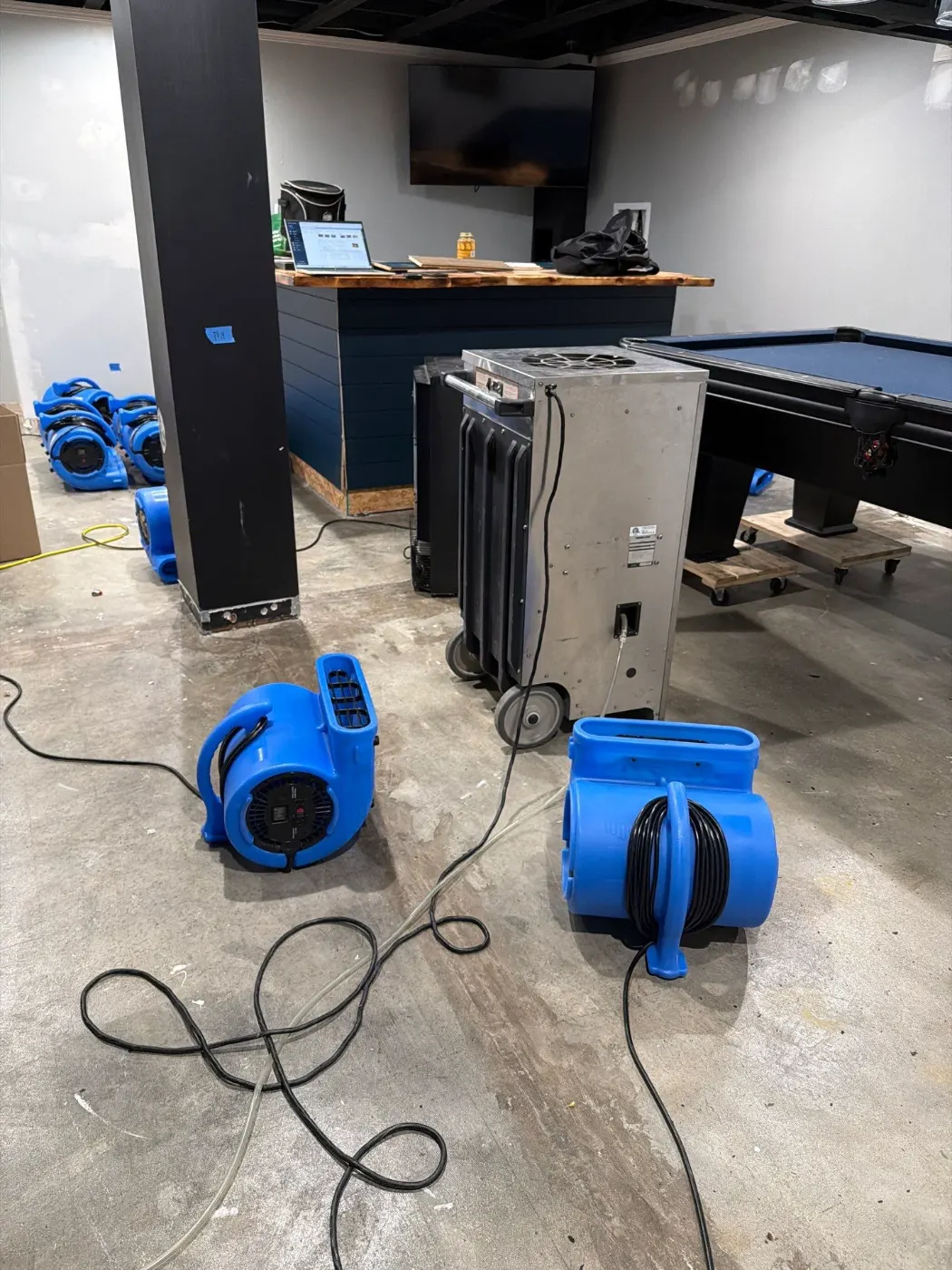
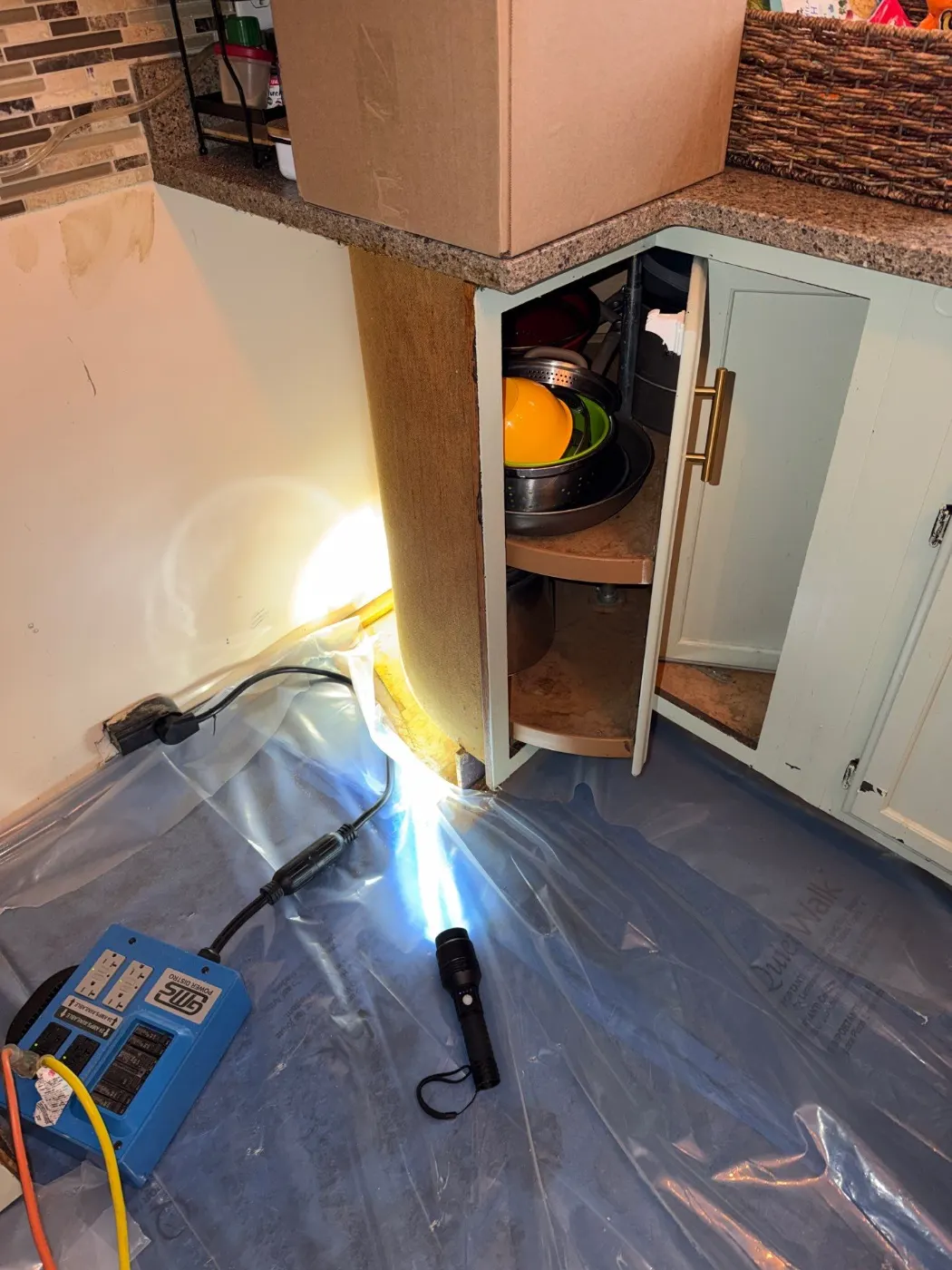
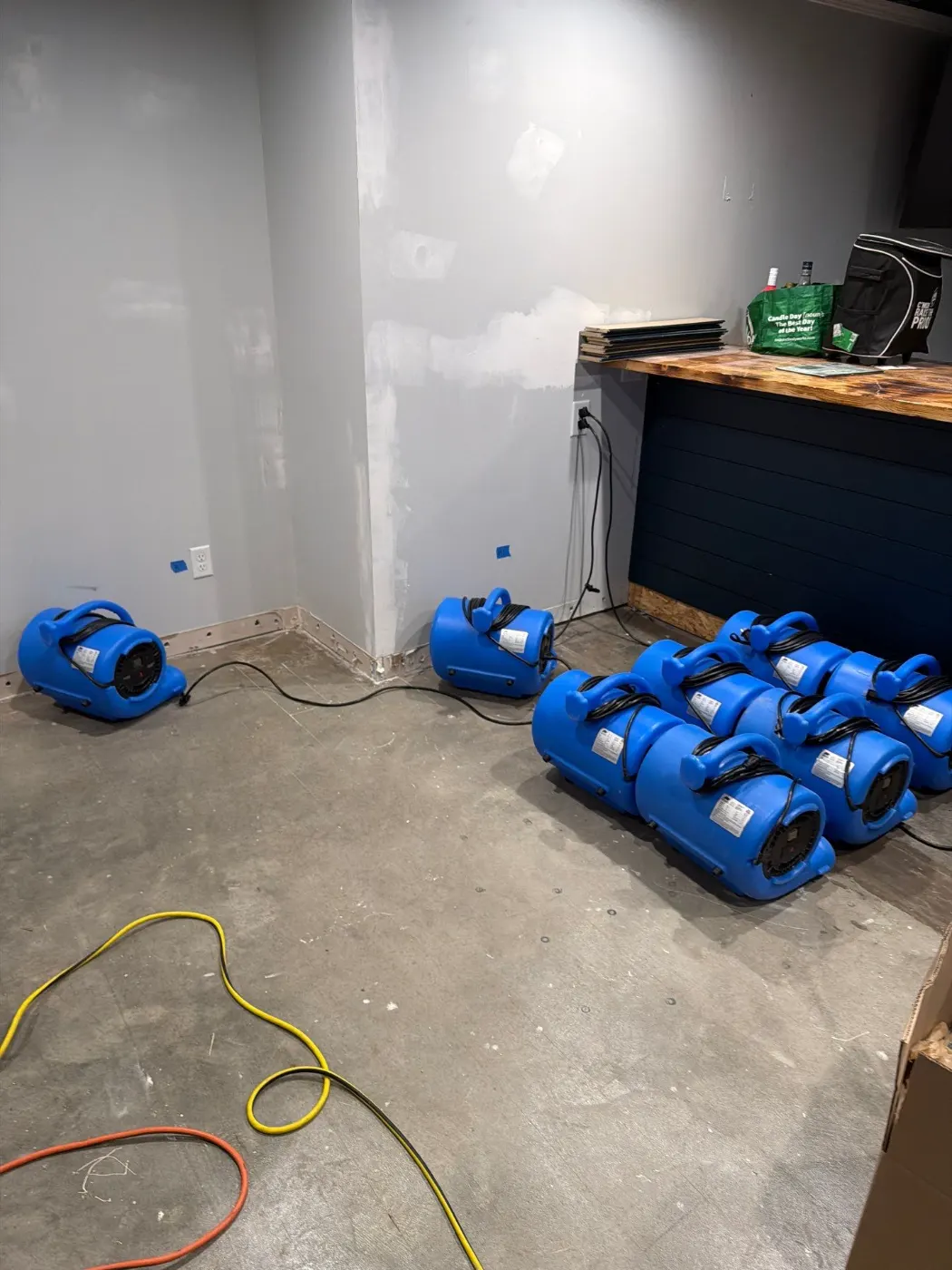
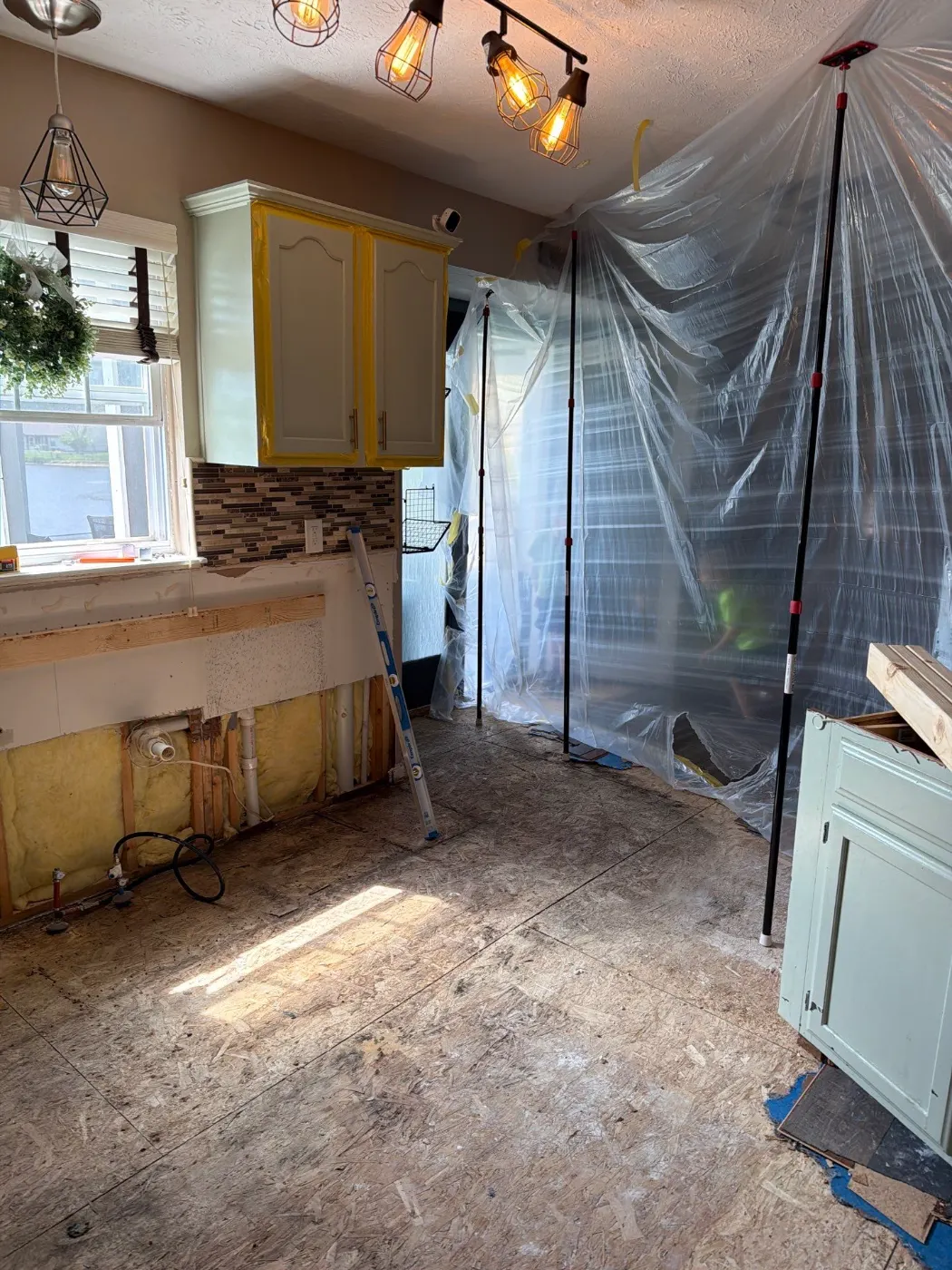
Photographs from real storm damage jobs completed by our crew in Carthage and surrounding areas.
Storm Damage FAQ
Questions Carthage homeowners ask us about storm damage restoration.
Guidance and Standards for Storm Damage
- The National Weather Service office in Indianapolis posts summaries of recent central Indiana storm and flood events. NWS Indianapolis Event Summaries
- The Indiana Department of Insurance advises against permanent repairs before your insurance company inspects the damage. Check your own policy for what it covers. Indiana Department of Insurance: Insurance Claim Tips
Other Restoration Services in Carthage
Carthage Water Restoration handles the full scope of restoration work. Explore our other services below.
Water Damage Restoration in Carthage
24/7 emergency response. IICRC certified water restoration from extraction to full dry out.
Learn more →Basement Flooding in Carthage
Basement water emergencies handled fast. Extraction, drying, mold prevention.
Learn more →Sewage Cleanup in Carthage
Category 3 biohazard cleanup. Full containment, decontamination, structural restoration.
Learn more →Request Storm Damage Restoration
Reach Us Directly
Our team is available 24/7 for emergencies and ready to schedule inspections during business hours.
Need Immediate Help?
For active water or mold emergencies, call us directly. We are available 24/7.