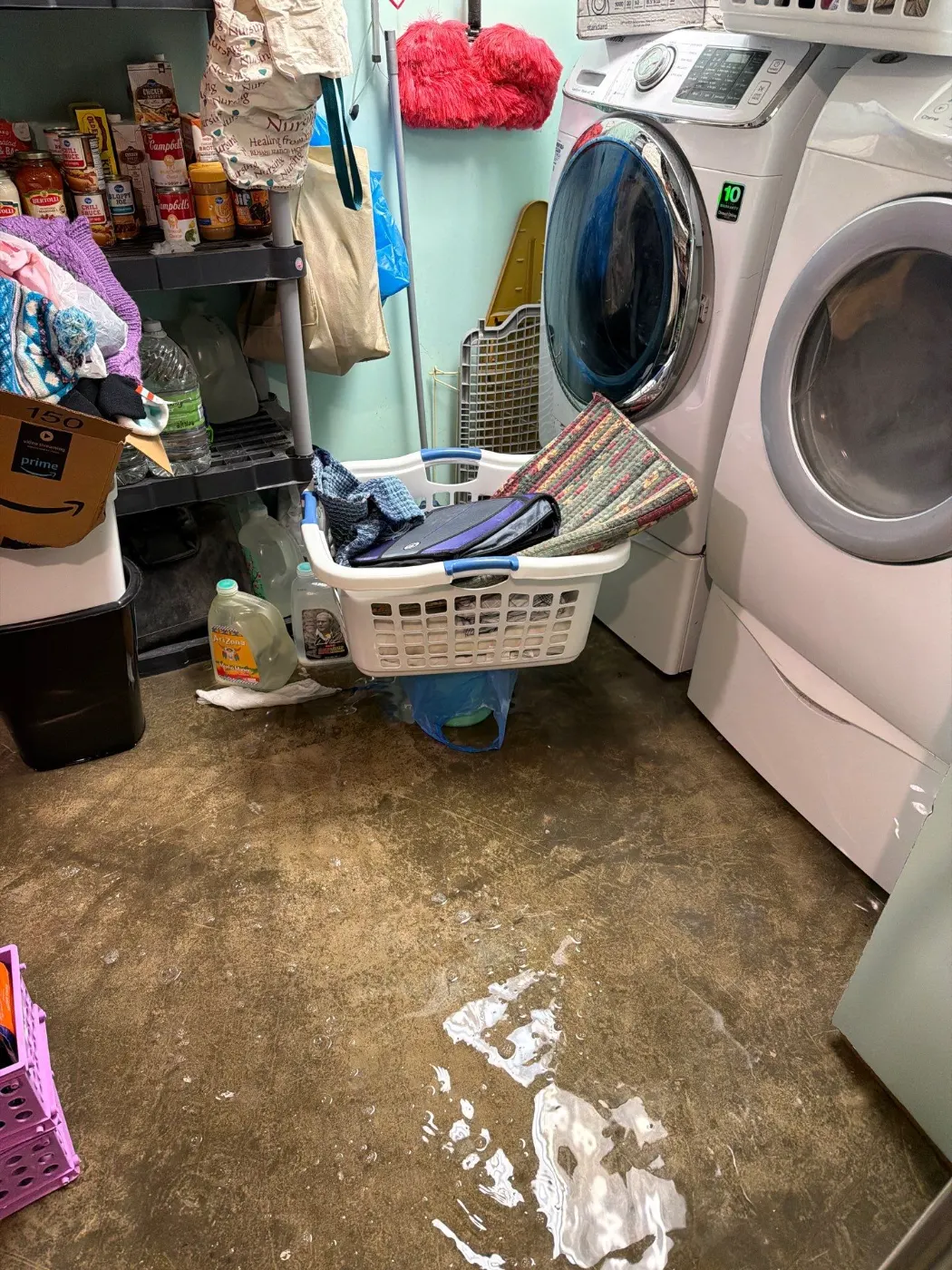
Commercial Storm Damage in Carthage, IN
Storm water in a commercial building spreads by the hour. Carthage Water Restoration dispatches to Carthage properties within two hours.
Carthage Water Restoration delivers Commercial Storm Damage across Carthage and surrounding areas with certified crews available 24/7 and every step documented for insurance. Call (765) 508-0821.
- Service: Commercial Storm Damage for Carthage homeowners
- Service area: Carthage, IN and surrounding areas
- Response time: Around the clock dispatch; Carthage emergencies move to the front of the line
- Licensed and insured (License #RC21100059)
- Serving Carthage, IN since 2018
Commercial Storm Damage for Carthage Businesses
The call you make in the first hour decides most of what follows on a commercial storm loss. A roofer can stop the water and a restoration crew can dry the building, and the two have to be sequenced or you'll pay for drying twice. Carthage Water Restoration takes both pieces on Carthage commercial properties, with a crew dispatched within two hours and one scope covering the dry in and the interior.
Each material gets its own dry goal, taken from the same material in an unaffected part of your Carthage building. Gypsum and concrete read on different scales, so a gypsum reading is only ever compared with dry gypsum. The goal for every material is written down before the equipment goes in, and the final readings are checked against that same line.
Drying a building in Carthage that's still operating starts with deciding what gets closed. Carthage Water Restoration builds containment at a natural line, a demountable partition or a corridor wall, so the wet area is isolated and the rest of the floor keeps working. Negative air with HEPA filtration runs where materials are coming out, and the crew works tenant hours or after them depending on what the space does.
Commercial losses often bring a consultant hired by the carrier to review the drying, and that review goes better when the numbers were there all along. Carthage Water Restoration keeps daily humidity logs, equipment inventories with run hours, and material moisture readings against a documented dry standard. When the consultant asks why four dehumidifiers sat on a floor for six days, the log answers it.
Water that reached a second floor has usually passed through everything in between. Call Carthage Water Restoration for a two hour dispatch to your Carthage commercial property, and a crew will trace it with thermal imaging and meters before anything gets cut. Per suite documentation is available for multitenant buildings.
Signs You Need Commercial Storm Damage Restoration
If you notice any of these in your Carthage building, schedule a free inspection before the issue worsens.
Vinyl cove base curling or pulling away from the wall along an exterior wall
Interior glazing sealant that's cracked, pulled loose, or missing along a run of joints
Metal door frames rusting at the base, with the gypsum board around them swelling
Water tracking under the seals of overhead dock doors and pooling in the leveler pit
Leak sensors or pit alarms going off in a mechanical room or IT closet during a storm
Cardboard cartons on the bottom pallet positions that have darkened and gone soft
Daylight visible through a roof penetration curb or around the flashing at a rooftop unit
Brown water stains on the ceiling around a rooftop unit's duct drop after each rain
Damp, darkened flooring in a band just inside the main entrance after a windy rain
Tenants moving stock or equipment away from a wall because water keeps showing up there
How Carthage Water Restoration Handles Commercial Storm Damage
We follow these steps in order on every Carthage job.
Contents and Inventory Protection
Stock and equipment on wet floors get lifted onto blocking or moved to dry ground, with plastic over anything that has to stay. A photo list records what moved and where, which supports each tenant's own claim.
Moisture Mapping
Every affected space gets walked with thermal imaging and both penetrating and nonpenetrating meters. Readings are keyed to a floor plan by room or column line, so the scope covers where the water went and leaves dry areas alone.
Slab and Dock Floor Checks
Concrete at a dock or in a warehouse holds water well after the surface dries, so the crew probes the slab at marked spots and keeps dehumidification and air movement running until the readings level off.
Equipment Out and Space Release
As each area reaches its dry goal, the equipment comes out of it and the space goes back to the tenant. The release date and final readings for every area go in the file.
Closeout File and Walkthrough
A walkthrough with the property manager closes the job, and the crew hands over one organized file with the photos, the readings, the equipment run hours and the scope. Ownership and the carrier's reviewer can read it start to finish.
Commercial Storm Damage in Carthage
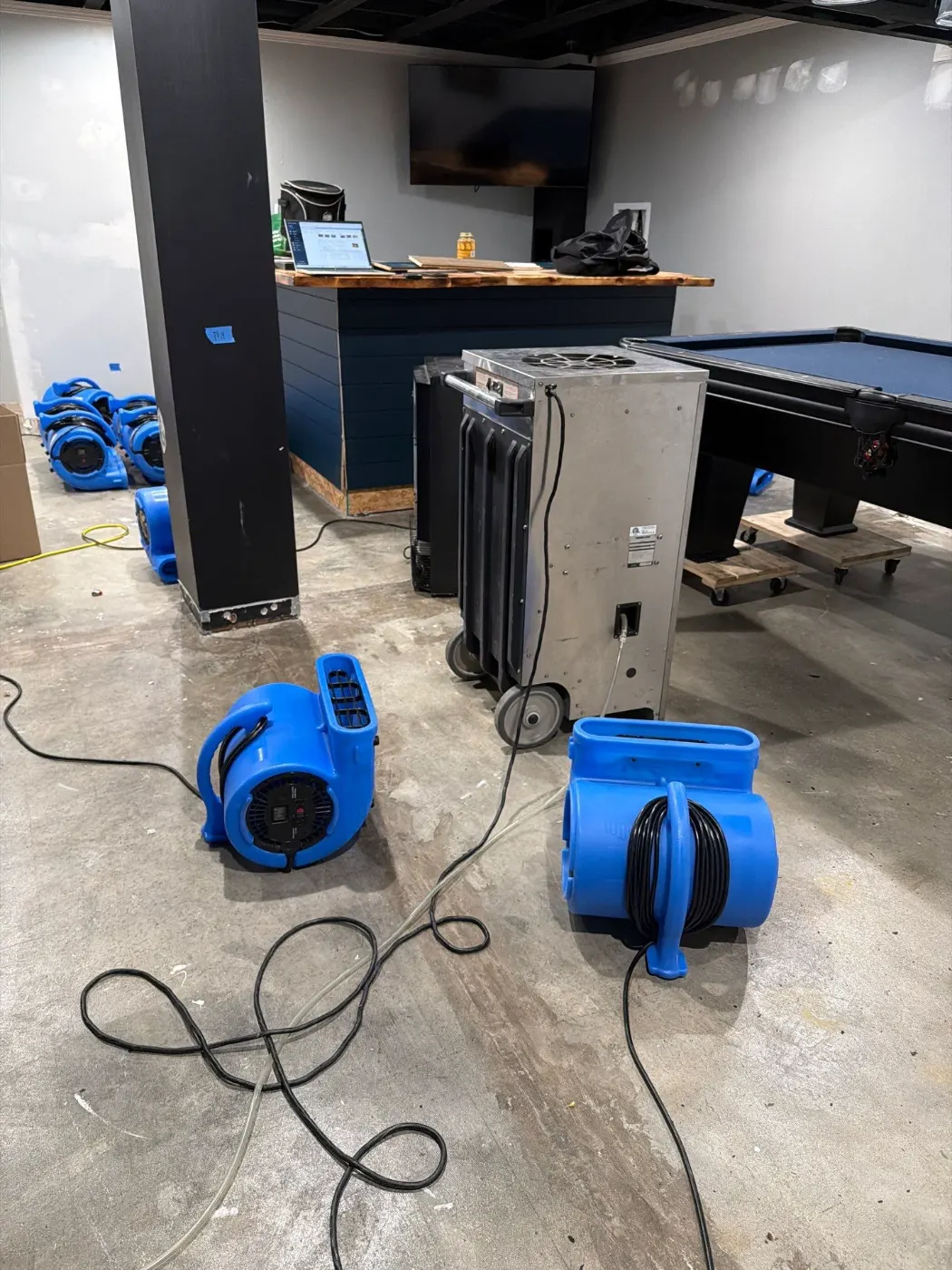
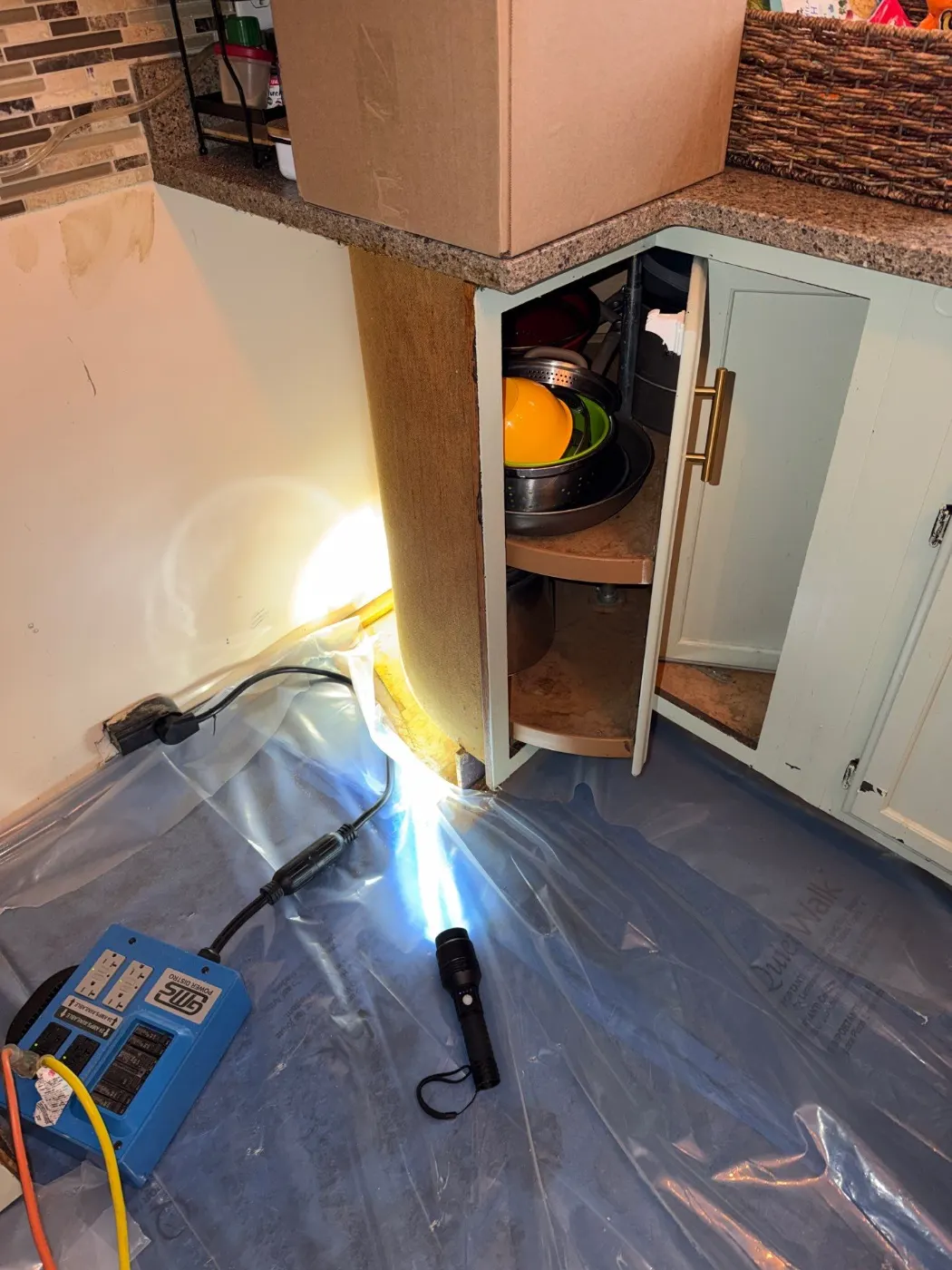
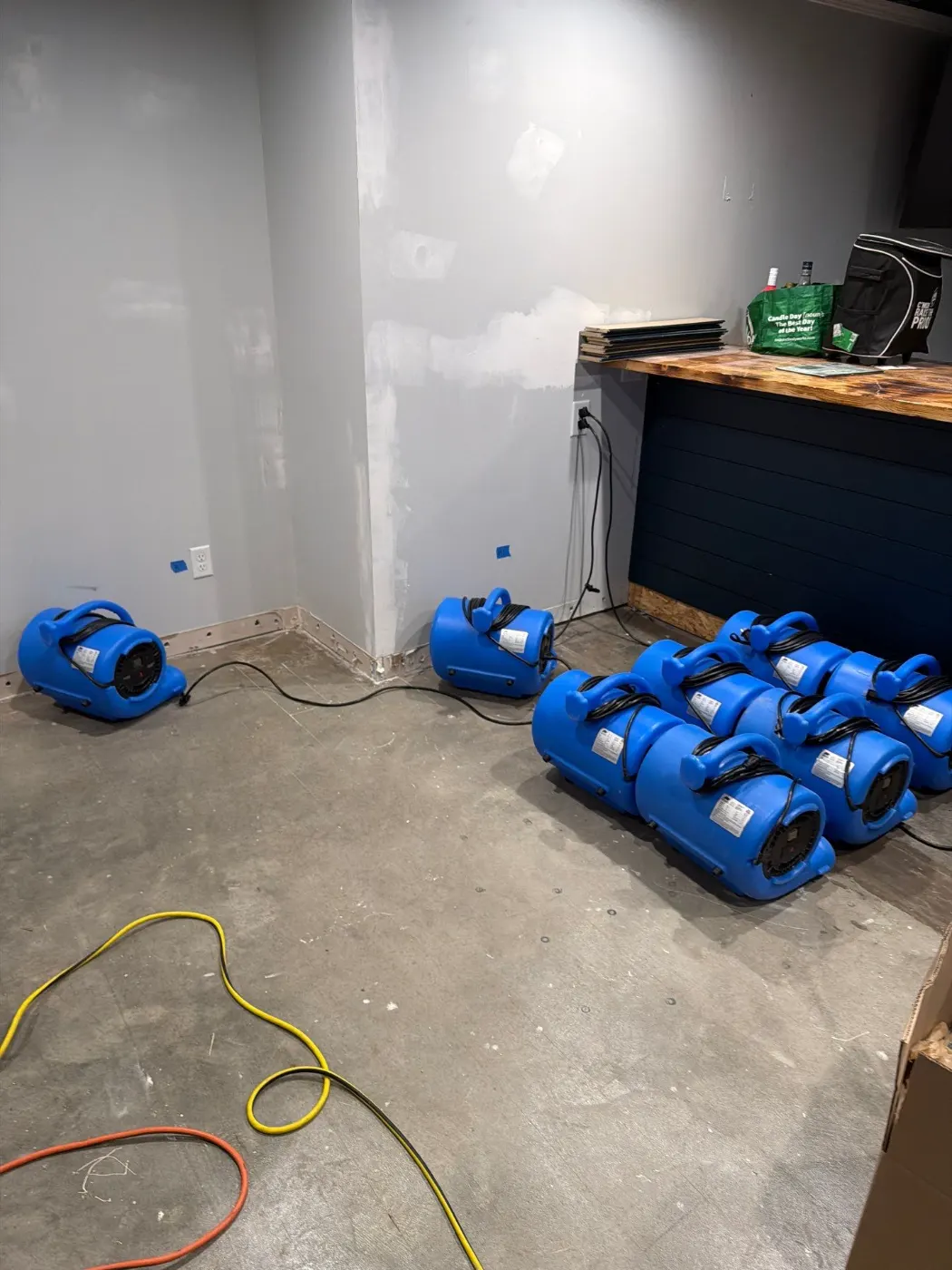
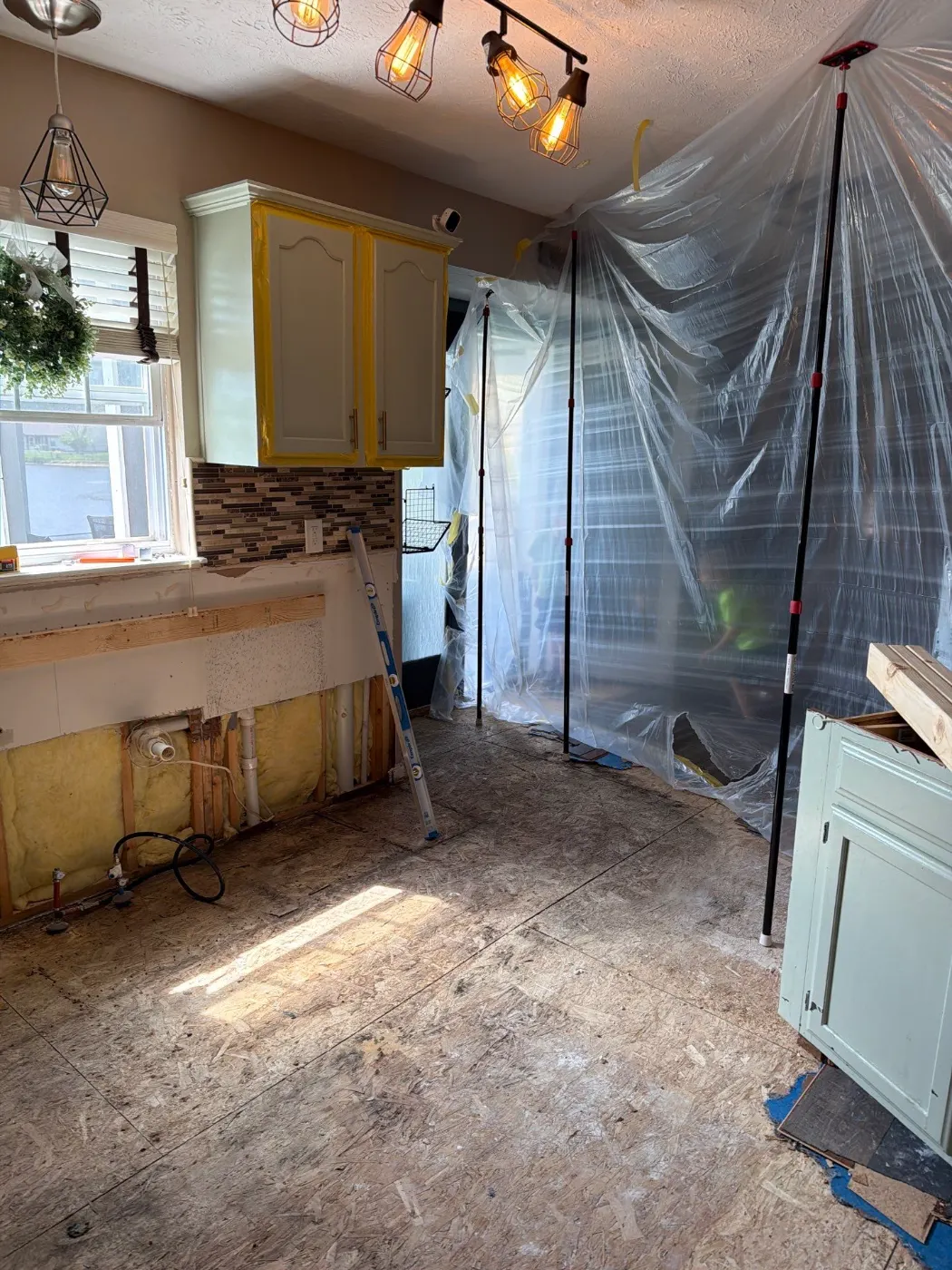
Photographs from real commercial storm damage jobs completed by our crew in Carthage and surrounding areas.
Commercial Storm Damage FAQ
Questions Carthage property managers ask us about commercial storm damage restoration.
Guidance and Standards for Commercial Storm Damage
- The National Weather Service office in Indianapolis posts summaries of recent central Indiana storm and flood events. NWS Indianapolis Event Summaries
- The ANSI/IICRC S500 is the published standard for professional water damage restoration. The current edition is the Fifth Edition, 2021. IICRC S500 Standard
Other Restoration Services in Carthage
Carthage Water Restoration handles the full scope of restoration work. Explore our other services below.
Water Damage Restoration in Carthage
24/7 emergency response. IICRC certified water restoration from extraction to full dry out.
Learn more →Basement Flooding in Carthage
Basement water emergencies handled fast. Extraction, drying, mold prevention.
Learn more →Sewage Cleanup in Carthage
Category 3 biohazard cleanup. Full containment, decontamination, structural restoration.
Learn more →Request Commercial Storm Damage Restoration
Reach Us Directly
Our team is available 24/7 for emergencies and ready to schedule inspections during business hours.
Need Immediate Help?
For active water or mold emergencies, call us directly. We are available 24/7.