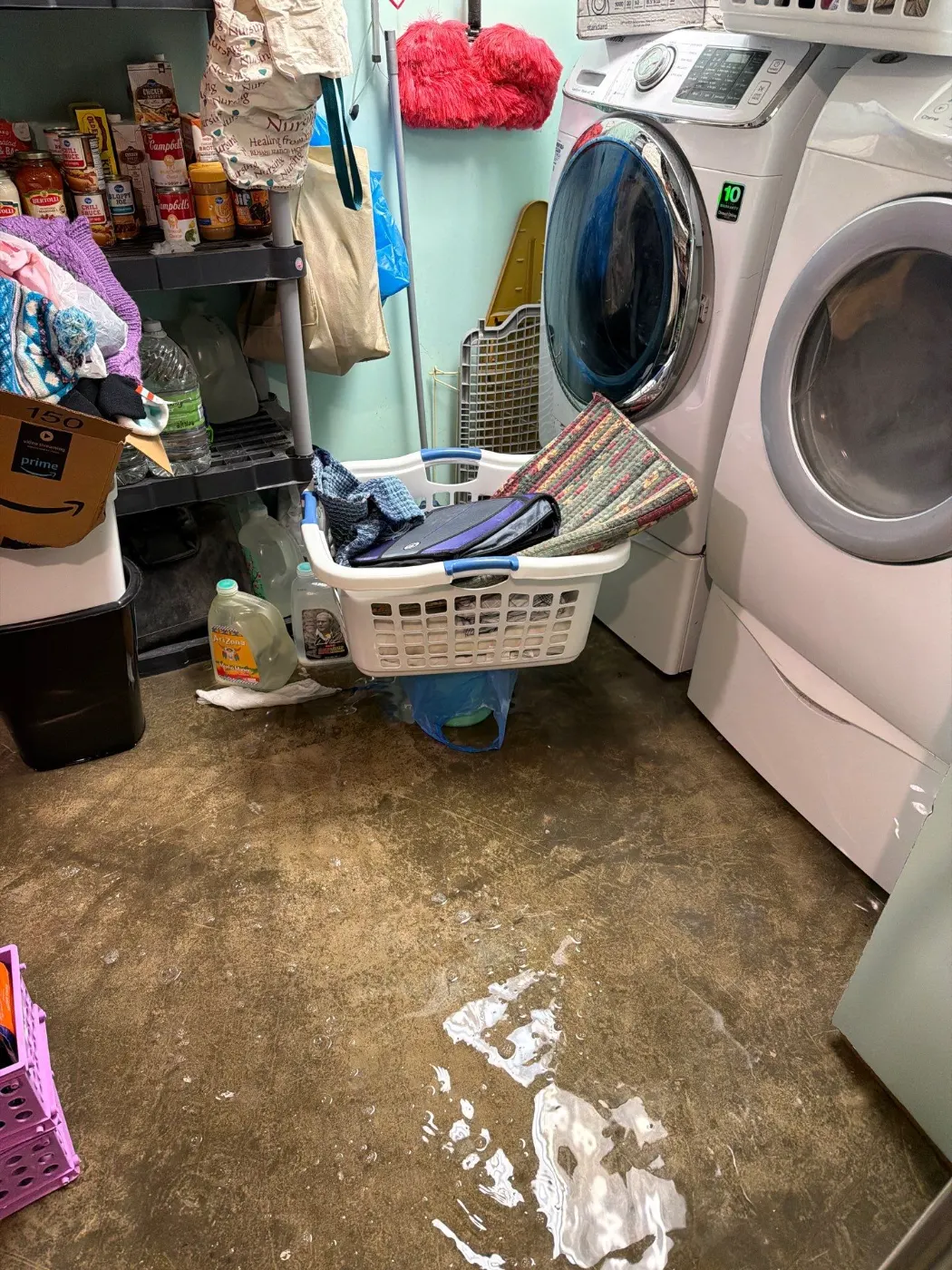
Sewage Cleanup in Carthage, IN
Sewage cleanup in Carthage done in respirators and under containment, with clearance readings at the end
When Carthage homeowners need Sewage Cleanup, Carthage Water Restoration responds 24/7 with certified technicians, fast equipment deployment, and claim ready documentation. Call (765) 508-0821 for immediate dispatch.
- Service: Sewage Cleanup for Carthage homeowners
- Service area: Carthage, IN and surrounding areas
- Response time: Emergency calls from Carthage dispatched immediately, day or night
- Licensed and insured (License #RC21100059)
- Serving Carthage, IN since 2018
Sewage Backup Cleanup in Carthage
When sewage backs up into a home in Carthage, we'll contain the area first and then remove the contaminated material.
Sewer Lines Here
With most homes in Carthage built in the 1800s, many still have cast iron sewer laterals. That's the pipe that carries waste out to the street sewer.
We work in every corner of Carthage, including the blocks around Carthage Elementary School and the Main Street corridor. We also clean up sewage backups in Knightstown, Rushville, Manilla and Glenwood.
Expert Sewage Cleanup for Carthage Homeowners
Indiana's heavy summer storms and spring snowmelt can load the sewer system until the water looks for the lowest opening, and in many houses that opening is the basement floor drain. If dirty water comes up in your Carthage basement during or after a storm, treat it as sewage and call Carthage Water Restoration to get the cleanup started.
Carthage Water Restoration finishes a sewage job in Carthage on readings. Every material that got wet gets a final reading against dry material elsewhere in your home, the cleaned surfaces get inspected, and the room gets an odor check with the air scrubbers off. The containment comes down after that, and the photos and readings go in your file.
Furnaces, water heaters, washers and dryers often sit in the same basement room the backup reached. The crew moves what can be moved and cleans and disinfects the floor under each unit, with photos of the area before and after. Anything with electrical parts that got wet should be checked by an appliance technician or an electrician before you run it again in your Carthage home.
Carthage Water Restoration photographs everything in your Carthage home before it moves and writes the scope from those photos and the moisture readings. The crew walks you through the record, so you know what was found and why each item came out. What your policy covers is between you and your insurance company, and the record you keep gives that conversation the facts.
If a toilet overflowed with waste and the water reached the floor below, phone Carthage Water Restoration and say which rooms are affected. The crew plans the bathroom and the ceiling underneath it together, so both get handled on one schedule in your Carthage home.
Signs You Need Sewage Cleanup
If you notice any of these in your Carthage home, schedule a free inspection before the issue worsens.
Toilet water rising in the bowl when someone runs the kitchen sink
Toilet bubbling or gurgling on its own every time the tub or shower drains
Floor drain cover pushed up or floating on dirty water rising from below
Several drains in the house running slow at the same time with no obvious clog
Tile grout turning dark and sticky after standing sewage drained away
An upholstered chair or mattress in the basement wet at the legs after a backup
Water pushing up through the shower pan when an upstairs toilet gets flushed
Kitchen sink filling with dark water when the dishwasher drains
A tide line and staining on basement drywall a few inches above the floor
A line of unusually green, soft grass running across the yard above the sewer lateral
How Carthage Water Restoration Handles Sewage Cleanup
We follow these steps in order on every Carthage job.
Protective Gear and Zones
The crew suits up at the edge of the work area with disposable coveralls, gloves, boots and respirators, and marks the line between the work zone and the clean side. Gear comes off at that line and goes into bags.
Contents Sorting
Belongings in the room get sorted before the removal work starts. Anything the water reached is photographed and listed before it goes into bags, and hard goods that can be cleaned are set aside for separate cleaning.
Porous Material Removal
Carpet cushion, wet insulation, baseboard and drywall above the moisture line come out and get bagged for disposal, with an inventory photographed for the claim. The cut height sits where meter readings justify it, usually a foot or two above the staining.
Ceiling and Cavity Opening
Where the water traveled down or into a wall, the crew opens the ceiling or the wall cavity until the readings come back dry. Wet insulation comes out, and the exposed framing is photographed before it gets cleaned.
Rebuild and Handoff
Insulation, drywall, trim and flooring go back over a structure that's been cleaned, treated and verified dry. Carthage Water Restoration hands over the documentation package, including source photographs, the daily moisture log, the disposal inventory and the clearance readings.
Sewage Cleanup in Carthage
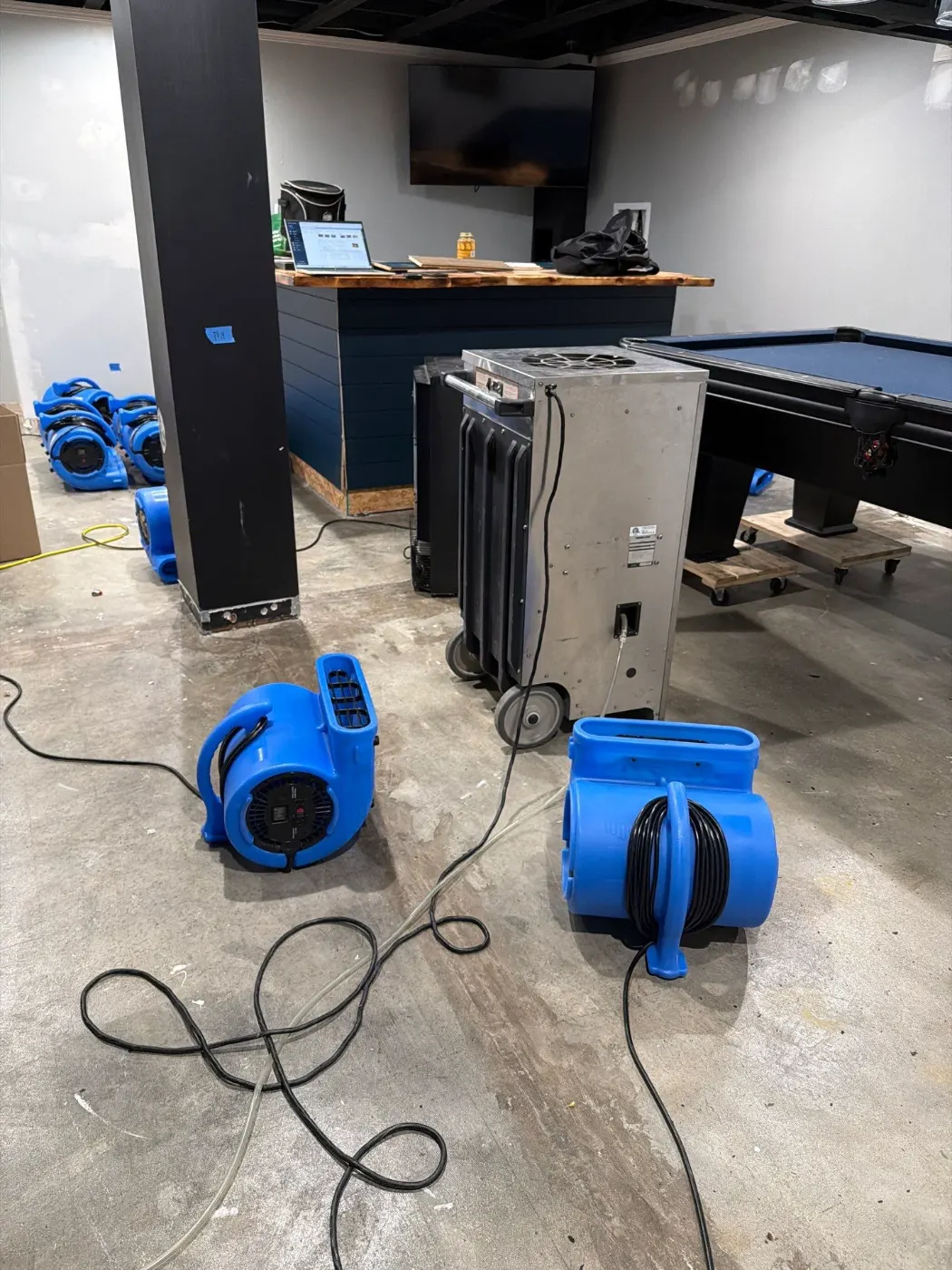
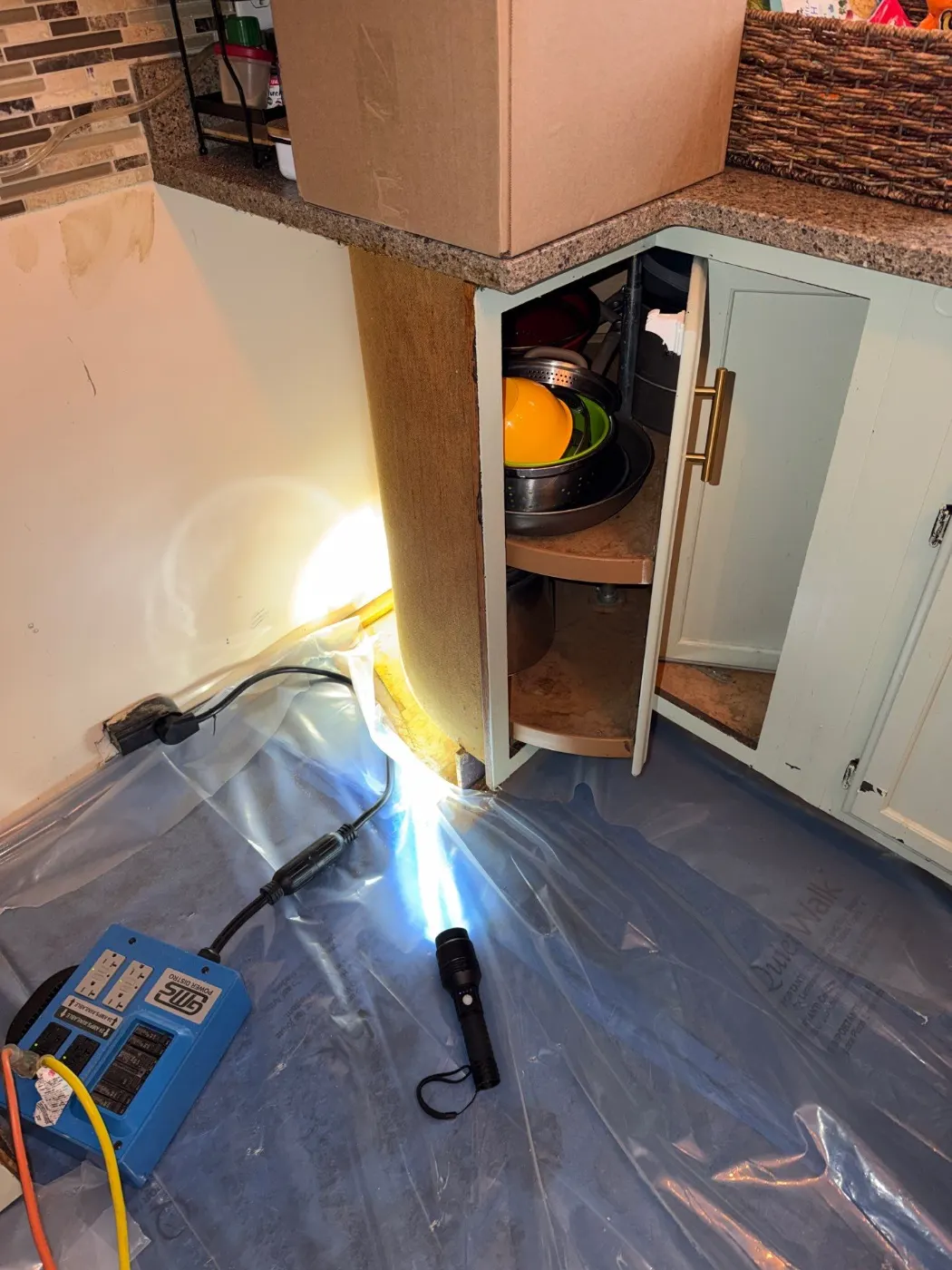
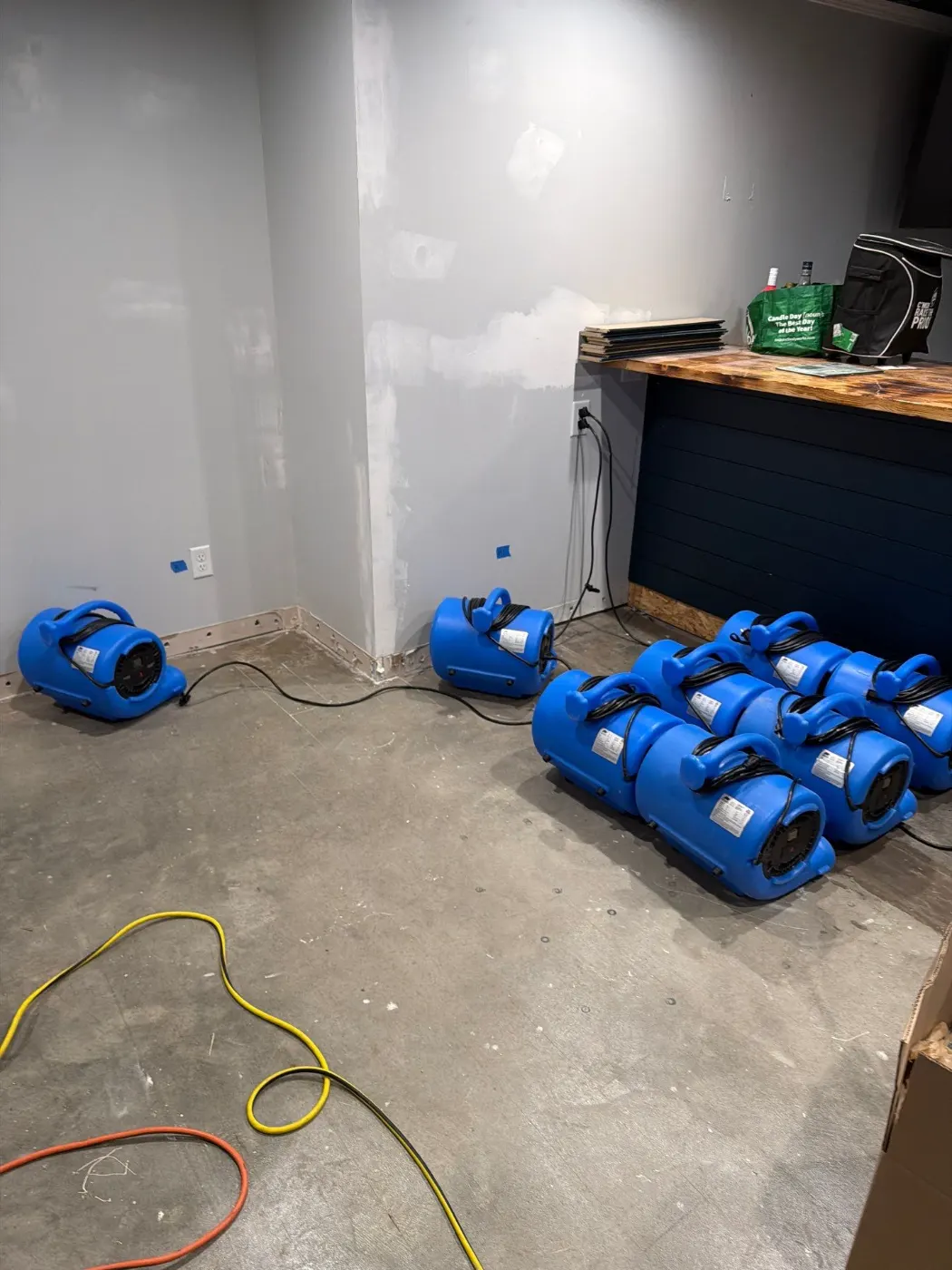
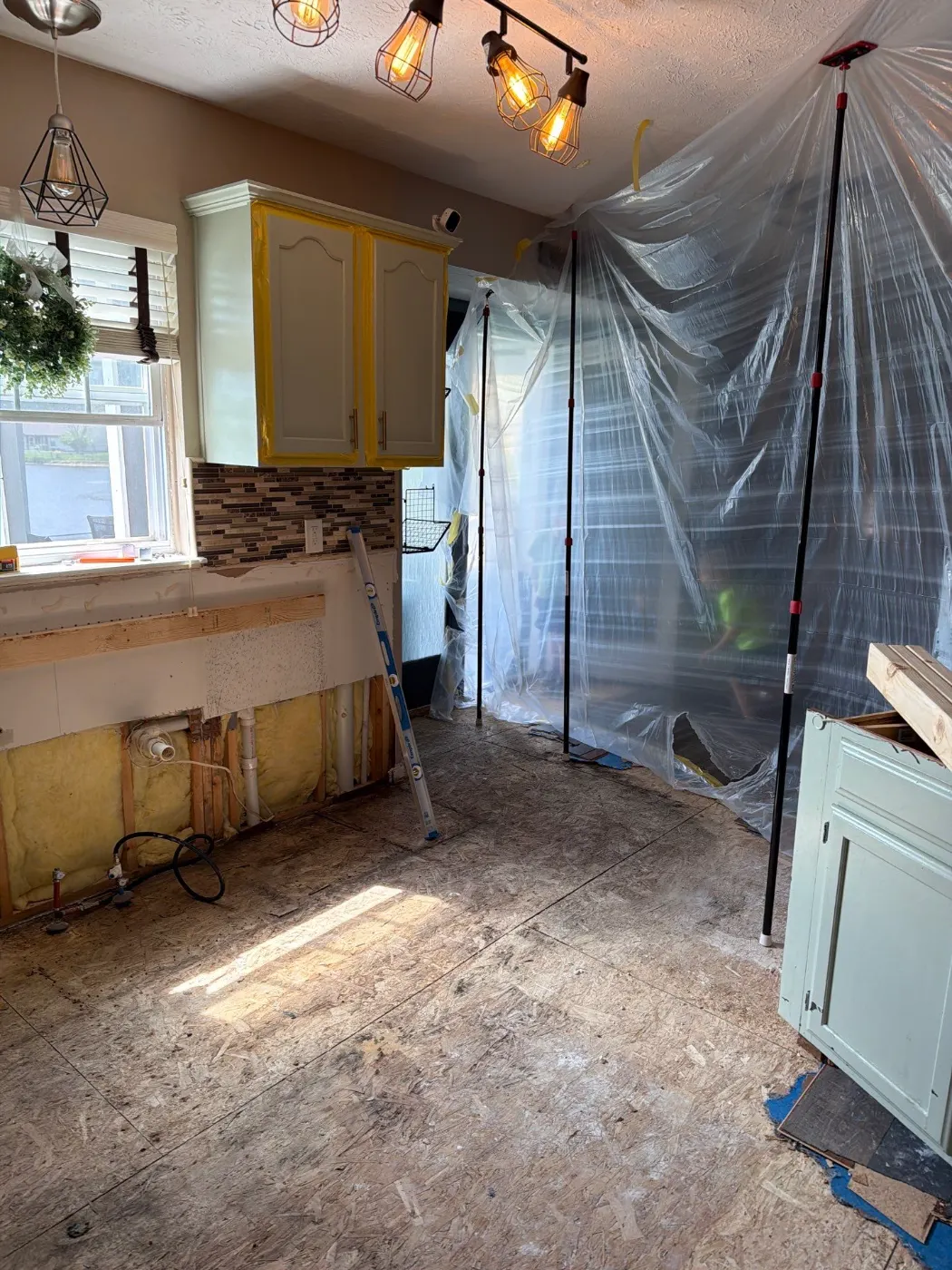
Photographs from real sewage cleanup jobs completed by our crew in Carthage and surrounding areas.
Sewage Cleanup FAQ
Questions Carthage homeowners ask us about sewage cleanup.
Guidance and Standards for Sewage Cleanup
- The ANSI/IICRC S500 is the published standard for professional water damage restoration. The current edition is the Fifth Edition, 2021. IICRC S500 Standard
- The Indiana Department of Insurance advises against permanent repairs before your insurance company inspects the damage. Check your own policy for what it covers. Indiana Department of Insurance: Insurance Claim Tips
Other Restoration Services in Carthage
Carthage Water Restoration handles the full scope of restoration work. Explore our other services below.
Water Damage Restoration in Carthage
24/7 emergency response. IICRC certified water restoration from extraction to full dry out.
Learn more →Basement Flooding in Carthage
Basement water emergencies handled fast. Extraction, drying, mold prevention.
Learn more →Storm Damage in Carthage
Storm related water emergencies. Tarping, extraction, drying, and full restoration.
Learn more →Request Sewage Cleanup
Reach Us Directly
Our team is available 24/7 for emergencies and ready to schedule inspections during business hours.
Need Immediate Help?
For active water or mold emergencies, call us directly. We are available 24/7.